Pioneer DM-40BT Speakers Review - Pioneers Budget Dream Packs A Powerful Punch For DJs

Explore the Pioneer DM-40BT Bluetooth speakers, wireless, clear, and bass-rich. Great for DJ setups or home studios with pro sound and connections. Full review

“These are perfect for entry-level DJs or anyone needing speakers to go between a laptop for general listening purposes.”

— Future Sound Academy

The DM-40BT feature a 4Inch cone and are fully powered. The low end is tight and packs a powerful punch for such a small set of speakers. We could see these sitting nicely in between a laptop for general listening purposes. They would also be perfect for beginner DJs but might not be the most suitable for music production as they are curved and not balanced.

Specification:

  • Cone Size - 4Inch Fibreglass

  • Connection Inputs - RCA And Mini Jack

  • Power - Fully Powered Speakers

  • Peak - 42 Watts

  • RMS - 35 Watts

The design is minimal and clean. The speakers will fit nicely into anyone's studio or home setup.

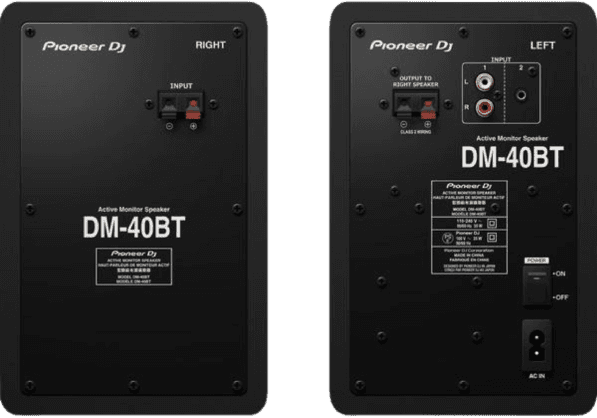
Picture of rear of DM-40BT Speakers by Pioneer | Future Sound Academy

Connections:

On opening the box you'll be surprised to see only one power cable is provided. This is because the second speaker's power and input come from the speaker cable connection. Pioneer includes a speaker cable in the box but is only 5 metres in length. If you require the speakers further apart, we recommend ordering a longer speaker cable which can be picked up cheaply from Amazon.

Who would we recommend the DM-40BTs to? These are perfect for entry-level DJs or anyone needing speakers to go between a laptop for general listening purposes.

The addition of Bluetooth is where the DM-40BT speakers gain a significant edge for everyday users. Unlike traditional studio monitors, which typically require wired connections, these allow for easy, quick Bluetooth pairing, making them ideal for casual use. The Bluetooth quality is decent – there’s a slight loss in fidelity compared to a wired connection, but it’s minor enough that most people won’t notice unless they’re doing critical listening or professional production.

In a practical setup, the Bluetooth feature is a huge plus. Let’s say you’re working at your desk but want to quickly switch to playing music from your phone or a tablet; Bluetooth makes that seamless. For a comparison, the Mackie CR4-XBT also has Bluetooth and offers similar sound quality, though the DM-40BT has a slight edge in clarity.

Pros:

  • Convenient Bluetooth pairing for quick connection to multiple devices

  • Ideal for casual listening and non-critical audio work

Cons:

  • Slightly reduced audio quality compared to wired connection (common with Bluetooth)

  • No aptX support, so Bluetooth quality isn’t optimized for the best possible audio

Use Cases and Ideal Users

The DM-40BT speakers are versatile, but they’ll work best for certain types of users:

  1. Casual Listeners: If you want a high-quality speaker for home listening and enjoy the convenience of Bluetooth, the DM-40BT is a great choice. You get good sound quality with the flexibility of wireless connection.

  2. Bedroom Producers and Hobbyists: For beginners in music production or DJing, these speakers are a good entry-level option. They offer a balanced sound that’s suitable for basic mixing and monitoring, though serious producers may want a larger speaker or a dedicated subwoofer for better bass accuracy.

  3. Podcasters and Vocal Editors: The clarity in the mids makes the DM-40BT speakers a good option for voice-based work. If you’re editing podcasts, vocal recordings, or spoken word content, these monitors will handle it well.

For comparison, Yamaha HS5 monitors are better for production-heavy users who need a more accurate sound profile, especially for bass and detailed mixing. However, the HS5s lack Bluetooth and are much pricier, making them less appealing to casual users.

Potential Challenges

For users expecting deep, room-filling bass, the DM-40BT may disappoint. While they handle bass well for their size, they simply don’t have the power to replicate the low-end punch of larger monitors like the KRK Rokit series. Another minor issue is the lack of multiple input options. The DM-40BT primarily uses RCA and stereo mini-jack inputs, which is fine for basic setups, but may limit connectivity if you’re planning to connect multiple devices or need flexibility with output configurations.

Pros:

  • Ideal for users who need clarity and mid-range balance for voice work

  • Compact enough for small spaces, versatile in setup options

Cons:

  • Limited input options; no RCA or subwoofer output

  • Low bass output may require a subwoofer add-on for more serious audio work

Conclusion: Is the Pioneer DM-40BT Worth It?

The Pioneer DM-40BT is a well-rounded speaker that’s versatile and compact, making it a fantastic choice for casual listeners, hobbyist producers, or even podcasters. Its balanced sound, solid build quality, and Bluetooth capability make it stand out from other speakers in this price range, particularly for users looking to blend casual and light professional use.

While it won’t deliver the deep bass or extensive connectivity that serious audio engineers might require, it’s a solid choice for most home setups. The Bluetooth feature is incredibly useful for anyone who frequently switches between devices, and for everyday users, the convenience of wireless is a welcome addition.

Final Pros and Cons:

Pros:

  • Solid, compact design with Bluetooth capability

  • Clear, balanced sound quality suitable for casual listening and light production

  • Easy to use with multiple devices

Cons:

  • Limited low-end punch, not ideal for heavy production or DJing

  • Fewer input options compared to some other models in this price range

For its price and versatility, the Pioneer DM-40BT is an excellent addition to any small studio or personal setup where good sound and ease of use are top priorities. If you’re in the market for Bluetooth speakers that go along with your eqipment that have decent sound quality, these are definitely worth considering.

Future Sound Academy Rating - ⭐⭐⭐⭐

Learn how to DJ in Warrington with our comprehensive lessons.

To embed a website or widget, add it to the properties panel.

Featured Blog Posts

Image

Apr 3, 2026

How to Make Melodic House & Techno (Step-by-Step)

To make melodic house and techno, you need a strong emotional chord progression, a driving groove, atmospheric layers, and clean, controlled low end. This guide walks you through the full process from idea to finished track using techniques taught at Future Sound Academy. What Defines Melodic House & Techno Melodic house and techno combines rhythm with emotion. The key elements are: Deep, rolling basslines Emotional chord progressions Atmospheric pads and textures Clean, minimal drums Gradual arrangement and energy build Artists in this space focus on feeling, movement, and space, not just drops. Step 1: Start With a Chord Progression Everything begins with harmony. How to do it: Choose a key, often minor for emotional tone Use simple triads or seventh chords Keep progressions repetitive but evolving Example progression: Am – F – C – G Real-world tip: At Future Sound Academy, students often start with a piano or soft pad to sketch ideas before choosing final sounds. Step 2: Build a Driving Drum Groove The groove is the foundation. Core elements: Kick on every beat Closed hi-hats with subtle swing Percussion loops for movement Occasional open hats for energy Pro tip: Keep drums simple. Space is key in melodic genres. Step 3: Create a Rolling Bassline Your bass should support both rhythm and harmony. How to build it: Follow root notes of your chords Use off-beat or rolling patterns Keep sub clean and controlled Processing tips: Use sidechain compression with the kick Add light saturation for presence Keep everything below 120 Hz mono Step 4: Design the Lead or Hook This is the emotional centre of your track. Options include: Pluck synths Arpeggiated sequences Vocal chops Analog-style leads How to make it stand out: Add delay and reverb Automate filter cutoff Layer with subtle harmonies Step 5: Add Atmosphere and Texture Melodic techno is known for space and depth. Use: Pads Field recordings Noise textures Reversed sounds Example: A filtered white noise riser can slowly build tension into a drop. Step 6: Arrange the Track Properly Structure is key to keeping listeners engaged. Typical arrangement: Intro with drums and atmosphere Build with added elements First drop with bass and lead Breakdown with chords and pads Second drop with full energy Outro for DJ mixing Tip: Automate filters, volume, and effects to keep the track evolving. Step 7: Mix for Clarity and Space Clean mixing is essential in this genre. Focus on: Clear separation between kick and bass Controlled low end Balanced mids Wide but clean highs Key techniques: EQ to remove mud Sidechain compression Subtle saturation Mid side EQ for width Step 8: Add Movement With Automation Static tracks feel lifeless. Automate: Filter cutoff Reverb size Delay feedback Volume levels Real-world example: At Future Sound Academy, students learn to automate small changes over time to keep tracks evolving without overcrowding them. Step 9: Reference and Test Your Track Compare your track with professional releases. Check: Low end balance Overall loudness Stereo width Energy flow Test on: Headphones Studio monitors Car speakers Phone speakers Final Summary To make melodic house and techno: Start with emotional chords Build a simple groove Add a rolling bassline Create a memorable lead Layer atmosphere and textures Arrange with flow and movement Mix clean and controlled Use automation for energy Reference and test your track Real-World Insight from Future Sound Academy Many students struggle by overcomplicating their tracks. The biggest improvement comes from simplifying the arrangement and focusing on strong core ideas rather than adding more sounds.

Image

Apr 3, 2026

How to Make Melodic House & Techno (Step-by-Step)

To make melodic house and techno, you need a strong emotional chord progression, a driving groove, atmospheric layers, and clean, controlled low end. This guide walks you through the full process from idea to finished track using techniques taught at Future Sound Academy. What Defines Melodic House & Techno Melodic house and techno combines rhythm with emotion. The key elements are: Deep, rolling basslines Emotional chord progressions Atmospheric pads and textures Clean, minimal drums Gradual arrangement and energy build Artists in this space focus on feeling, movement, and space, not just drops. Step 1: Start With a Chord Progression Everything begins with harmony. How to do it: Choose a key, often minor for emotional tone Use simple triads or seventh chords Keep progressions repetitive but evolving Example progression: Am – F – C – G Real-world tip: At Future Sound Academy, students often start with a piano or soft pad to sketch ideas before choosing final sounds. Step 2: Build a Driving Drum Groove The groove is the foundation. Core elements: Kick on every beat Closed hi-hats with subtle swing Percussion loops for movement Occasional open hats for energy Pro tip: Keep drums simple. Space is key in melodic genres. Step 3: Create a Rolling Bassline Your bass should support both rhythm and harmony. How to build it: Follow root notes of your chords Use off-beat or rolling patterns Keep sub clean and controlled Processing tips: Use sidechain compression with the kick Add light saturation for presence Keep everything below 120 Hz mono Step 4: Design the Lead or Hook This is the emotional centre of your track. Options include: Pluck synths Arpeggiated sequences Vocal chops Analog-style leads How to make it stand out: Add delay and reverb Automate filter cutoff Layer with subtle harmonies Step 5: Add Atmosphere and Texture Melodic techno is known for space and depth. Use: Pads Field recordings Noise textures Reversed sounds Example: A filtered white noise riser can slowly build tension into a drop. Step 6: Arrange the Track Properly Structure is key to keeping listeners engaged. Typical arrangement: Intro with drums and atmosphere Build with added elements First drop with bass and lead Breakdown with chords and pads Second drop with full energy Outro for DJ mixing Tip: Automate filters, volume, and effects to keep the track evolving. Step 7: Mix for Clarity and Space Clean mixing is essential in this genre. Focus on: Clear separation between kick and bass Controlled low end Balanced mids Wide but clean highs Key techniques: EQ to remove mud Sidechain compression Subtle saturation Mid side EQ for width Step 8: Add Movement With Automation Static tracks feel lifeless. Automate: Filter cutoff Reverb size Delay feedback Volume levels Real-world example: At Future Sound Academy, students learn to automate small changes over time to keep tracks evolving without overcrowding them. Step 9: Reference and Test Your Track Compare your track with professional releases. Check: Low end balance Overall loudness Stereo width Energy flow Test on: Headphones Studio monitors Car speakers Phone speakers Final Summary To make melodic house and techno: Start with emotional chords Build a simple groove Add a rolling bassline Create a memorable lead Layer atmosphere and textures Arrange with flow and movement Mix clean and controlled Use automation for energy Reference and test your track Real-World Insight from Future Sound Academy Many students struggle by overcomplicating their tracks. The biggest improvement comes from simplifying the arrangement and focusing on strong core ideas rather than adding more sounds.

Image

Apr 3, 2026

How to Make Melodic House & Techno (Step-by-Step)

To make melodic house and techno, you need a strong emotional chord progression, a driving groove, atmospheric layers, and clean, controlled low end. This guide walks you through the full process from idea to finished track using techniques taught at Future Sound Academy. What Defines Melodic House & Techno Melodic house and techno combines rhythm with emotion. The key elements are: Deep, rolling basslines Emotional chord progressions Atmospheric pads and textures Clean, minimal drums Gradual arrangement and energy build Artists in this space focus on feeling, movement, and space, not just drops. Step 1: Start With a Chord Progression Everything begins with harmony. How to do it: Choose a key, often minor for emotional tone Use simple triads or seventh chords Keep progressions repetitive but evolving Example progression: Am – F – C – G Real-world tip: At Future Sound Academy, students often start with a piano or soft pad to sketch ideas before choosing final sounds. Step 2: Build a Driving Drum Groove The groove is the foundation. Core elements: Kick on every beat Closed hi-hats with subtle swing Percussion loops for movement Occasional open hats for energy Pro tip: Keep drums simple. Space is key in melodic genres. Step 3: Create a Rolling Bassline Your bass should support both rhythm and harmony. How to build it: Follow root notes of your chords Use off-beat or rolling patterns Keep sub clean and controlled Processing tips: Use sidechain compression with the kick Add light saturation for presence Keep everything below 120 Hz mono Step 4: Design the Lead or Hook This is the emotional centre of your track. Options include: Pluck synths Arpeggiated sequences Vocal chops Analog-style leads How to make it stand out: Add delay and reverb Automate filter cutoff Layer with subtle harmonies Step 5: Add Atmosphere and Texture Melodic techno is known for space and depth. Use: Pads Field recordings Noise textures Reversed sounds Example: A filtered white noise riser can slowly build tension into a drop. Step 6: Arrange the Track Properly Structure is key to keeping listeners engaged. Typical arrangement: Intro with drums and atmosphere Build with added elements First drop with bass and lead Breakdown with chords and pads Second drop with full energy Outro for DJ mixing Tip: Automate filters, volume, and effects to keep the track evolving. Step 7: Mix for Clarity and Space Clean mixing is essential in this genre. Focus on: Clear separation between kick and bass Controlled low end Balanced mids Wide but clean highs Key techniques: EQ to remove mud Sidechain compression Subtle saturation Mid side EQ for width Step 8: Add Movement With Automation Static tracks feel lifeless. Automate: Filter cutoff Reverb size Delay feedback Volume levels Real-world example: At Future Sound Academy, students learn to automate small changes over time to keep tracks evolving without overcrowding them. Step 9: Reference and Test Your Track Compare your track with professional releases. Check: Low end balance Overall loudness Stereo width Energy flow Test on: Headphones Studio monitors Car speakers Phone speakers Final Summary To make melodic house and techno: Start with emotional chords Build a simple groove Add a rolling bassline Create a memorable lead Layer atmosphere and textures Arrange with flow and movement Mix clean and controlled Use automation for energy Reference and test your track Real-World Insight from Future Sound Academy Many students struggle by overcomplicating their tracks. The biggest improvement comes from simplifying the arrangement and focusing on strong core ideas rather than adding more sounds.

Image

Apr 3, 2026

How to Make Melodic House & Techno (Step-by-Step)

To make melodic house and techno, you need a strong emotional chord progression, a driving groove, atmospheric layers, and clean, controlled low end. This guide walks you through the full process from idea to finished track using techniques taught at Future Sound Academy. What Defines Melodic House & Techno Melodic house and techno combines rhythm with emotion. The key elements are: Deep, rolling basslines Emotional chord progressions Atmospheric pads and textures Clean, minimal drums Gradual arrangement and energy build Artists in this space focus on feeling, movement, and space, not just drops. Step 1: Start With a Chord Progression Everything begins with harmony. How to do it: Choose a key, often minor for emotional tone Use simple triads or seventh chords Keep progressions repetitive but evolving Example progression: Am – F – C – G Real-world tip: At Future Sound Academy, students often start with a piano or soft pad to sketch ideas before choosing final sounds. Step 2: Build a Driving Drum Groove The groove is the foundation. Core elements: Kick on every beat Closed hi-hats with subtle swing Percussion loops for movement Occasional open hats for energy Pro tip: Keep drums simple. Space is key in melodic genres. Step 3: Create a Rolling Bassline Your bass should support both rhythm and harmony. How to build it: Follow root notes of your chords Use off-beat or rolling patterns Keep sub clean and controlled Processing tips: Use sidechain compression with the kick Add light saturation for presence Keep everything below 120 Hz mono Step 4: Design the Lead or Hook This is the emotional centre of your track. Options include: Pluck synths Arpeggiated sequences Vocal chops Analog-style leads How to make it stand out: Add delay and reverb Automate filter cutoff Layer with subtle harmonies Step 5: Add Atmosphere and Texture Melodic techno is known for space and depth. Use: Pads Field recordings Noise textures Reversed sounds Example: A filtered white noise riser can slowly build tension into a drop. Step 6: Arrange the Track Properly Structure is key to keeping listeners engaged. Typical arrangement: Intro with drums and atmosphere Build with added elements First drop with bass and lead Breakdown with chords and pads Second drop with full energy Outro for DJ mixing Tip: Automate filters, volume, and effects to keep the track evolving. Step 7: Mix for Clarity and Space Clean mixing is essential in this genre. Focus on: Clear separation between kick and bass Controlled low end Balanced mids Wide but clean highs Key techniques: EQ to remove mud Sidechain compression Subtle saturation Mid side EQ for width Step 8: Add Movement With Automation Static tracks feel lifeless. Automate: Filter cutoff Reverb size Delay feedback Volume levels Real-world example: At Future Sound Academy, students learn to automate small changes over time to keep tracks evolving without overcrowding them. Step 9: Reference and Test Your Track Compare your track with professional releases. Check: Low end balance Overall loudness Stereo width Energy flow Test on: Headphones Studio monitors Car speakers Phone speakers Final Summary To make melodic house and techno: Start with emotional chords Build a simple groove Add a rolling bassline Create a memorable lead Layer atmosphere and textures Arrange with flow and movement Mix clean and controlled Use automation for energy Reference and test your track Real-World Insight from Future Sound Academy Many students struggle by overcomplicating their tracks. The biggest improvement comes from simplifying the arrangement and focusing on strong core ideas rather than adding more sounds.