Serum VST Still Worth It in 2026?

In the fast-moving world of electronic music production, it’s easy to wonder: is Serum still relevant in 2026?

In the fast-moving world of electronic music production, it’s easy to wonder: is Serum still relevant in 2026? With new synths constantly hitting the market, producers — from beginners building their first studio recording home setup to seasoned engineers teaching at online music production schools — are asking if it's time to move on.

After years of teaching with Serum and across our 1-on-1 music production lessons over at FSA, here’s our honest, experience-based breakdown.
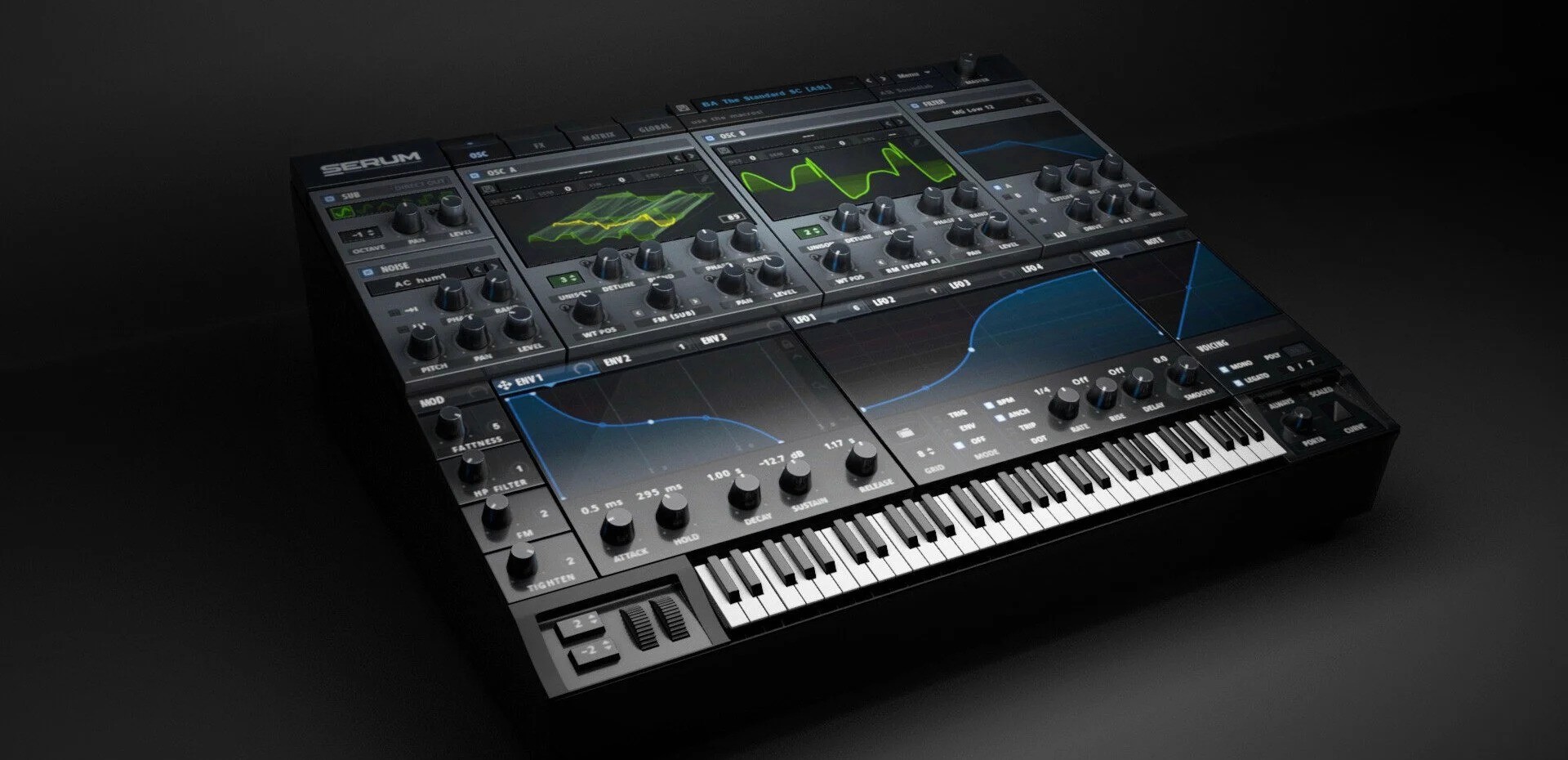
Certainly Still looking sleek but how is it really holding up in 2026?

🧠 What Made Serum So Popular?

Launched back in 2014 by Xfer Records, Serum became a near-instant classic. It offered clean, aggressive, and flexible wavetable synthesis, intuitive modulation, and a sleek UI that made sound design more approachable than ever.

Even in 2026, its core appeal hasn’t aged:

  • Drag-and-drop modulation

  • Custom wavetable import

  • Powerful filters & FX

  • Tons of free samples music* and presets available online

Many modern music production programs still start students on Serum because it’s simple to learn, but deep enough to master.

Real-World Use: Who Still Uses Serum?

At Drum Collective, we see three main types of producers using Serum:

Beginners

If you're building your first tracks in a home recording studio, Serum is ideal. It helps you understand core concepts like envelopes, LFOs, and modulation routing — skills that translate to almost every synth.

Intermediate Producers

If you’re producing house, techno, or EDM, Serum’s high-quality oscillators and built-in FX rack still make it a go-to for basslines, leads, plucks, and atmospheres. We’ve had students release label-ready tracks built entirely on Serum inside our music producer programs*.

Advanced Sound Designers

While some may lean toward modular systems or newer synths, Serum still holds its own in pro workflows — especially with the endless third-party wavetable packs available.

What’s Better Than Serum in 2026?

Let’s be honest — Serum isn’t the newest toy anymore. And there are some powerful contenders in the scene:

Phase Plant (by Kilohearts)

  • Modular, flexible, deep

  • Combine wavetable, granular, sampler, and effects in one

  • Steeper learning curve, but incredibly powerful

If Serum is an electric guitar, Phase Plant is a full modular rig.

Vital (Free + Paid)

  • Also wavetable-based, with visual modulation

  • Open-source feel, high quality, easy to use

  • Arguably better for beginners (and free)

Ideal for new producers in online music production schools* or anyone on a budget.

Pigments 5 (Arturia)

  • Combines wavetable, analog, sample-based, additive, and granular engines

  • Great for cinematic or hybrid electronic producers

  • Stunning UI and flexible modulation

Great for composers, ambient producers, and those interested in sound engineering courses or hybrid scoring.

Pros & Cons of Serum in 2026

Pros:

  • Still one of the best-balanced synths for clarity, punch, and ease of use

  • Massive community and resource library

  • Fits perfectly into any home studio microphone or home music studio workflow

  • Teaches fundamentals that apply across all synths

Cons:

  • UI and feature set haven’t evolved much since launch

  • Not as modular or future-facing as newer synths like Phase Plant

  • Some producers find it too “clean” or digital for their taste

How It Fits Into a Home Studio in 2026

If you're building out a home recording studio or working through music production schools online, Serum is still a smart investment. It plays nice with most DAWs, integrates well with Ableton courses*, and won't kill your CPU like some newer synths.

Even in professional setups, it's often used for layering with analog gear or as a clean digital sound source in hybrid mixes.

Final Thoughts

Serum is still 100% worth using in 2026 — especially if you're learning, teaching, or producing in genres like house, techno


Visit our brand new site www.drum-collective.com which launched in 2026 for sample packs, templates, ableton stems and more

To embed a website or widget, add it to the properties panel.

Featured Blog Posts

Image

Apr 3, 2026

How to Make Melodic House & Techno (Step-by-Step)

To make melodic house and techno, you need a strong emotional chord progression, a driving groove, atmospheric layers, and clean, controlled low end. This guide walks you through the full process from idea to finished track using techniques taught at Future Sound Academy. What Defines Melodic House & Techno Melodic house and techno combines rhythm with emotion. The key elements are: Deep, rolling basslines Emotional chord progressions Atmospheric pads and textures Clean, minimal drums Gradual arrangement and energy build Artists in this space focus on feeling, movement, and space, not just drops. Step 1: Start With a Chord Progression Everything begins with harmony. How to do it: Choose a key, often minor for emotional tone Use simple triads or seventh chords Keep progressions repetitive but evolving Example progression: Am – F – C – G Real-world tip: At Future Sound Academy, students often start with a piano or soft pad to sketch ideas before choosing final sounds. Step 2: Build a Driving Drum Groove The groove is the foundation. Core elements: Kick on every beat Closed hi-hats with subtle swing Percussion loops for movement Occasional open hats for energy Pro tip: Keep drums simple. Space is key in melodic genres. Step 3: Create a Rolling Bassline Your bass should support both rhythm and harmony. How to build it: Follow root notes of your chords Use off-beat or rolling patterns Keep sub clean and controlled Processing tips: Use sidechain compression with the kick Add light saturation for presence Keep everything below 120 Hz mono Step 4: Design the Lead or Hook This is the emotional centre of your track. Options include: Pluck synths Arpeggiated sequences Vocal chops Analog-style leads How to make it stand out: Add delay and reverb Automate filter cutoff Layer with subtle harmonies Step 5: Add Atmosphere and Texture Melodic techno is known for space and depth. Use: Pads Field recordings Noise textures Reversed sounds Example: A filtered white noise riser can slowly build tension into a drop. Step 6: Arrange the Track Properly Structure is key to keeping listeners engaged. Typical arrangement: Intro with drums and atmosphere Build with added elements First drop with bass and lead Breakdown with chords and pads Second drop with full energy Outro for DJ mixing Tip: Automate filters, volume, and effects to keep the track evolving. Step 7: Mix for Clarity and Space Clean mixing is essential in this genre. Focus on: Clear separation between kick and bass Controlled low end Balanced mids Wide but clean highs Key techniques: EQ to remove mud Sidechain compression Subtle saturation Mid side EQ for width Step 8: Add Movement With Automation Static tracks feel lifeless. Automate: Filter cutoff Reverb size Delay feedback Volume levels Real-world example: At Future Sound Academy, students learn to automate small changes over time to keep tracks evolving without overcrowding them. Step 9: Reference and Test Your Track Compare your track with professional releases. Check: Low end balance Overall loudness Stereo width Energy flow Test on: Headphones Studio monitors Car speakers Phone speakers Final Summary To make melodic house and techno: Start with emotional chords Build a simple groove Add a rolling bassline Create a memorable lead Layer atmosphere and textures Arrange with flow and movement Mix clean and controlled Use automation for energy Reference and test your track Real-World Insight from Future Sound Academy Many students struggle by overcomplicating their tracks. The biggest improvement comes from simplifying the arrangement and focusing on strong core ideas rather than adding more sounds.

Image

Apr 3, 2026

How to Make Melodic House & Techno (Step-by-Step)

To make melodic house and techno, you need a strong emotional chord progression, a driving groove, atmospheric layers, and clean, controlled low end. This guide walks you through the full process from idea to finished track using techniques taught at Future Sound Academy. What Defines Melodic House & Techno Melodic house and techno combines rhythm with emotion. The key elements are: Deep, rolling basslines Emotional chord progressions Atmospheric pads and textures Clean, minimal drums Gradual arrangement and energy build Artists in this space focus on feeling, movement, and space, not just drops. Step 1: Start With a Chord Progression Everything begins with harmony. How to do it: Choose a key, often minor for emotional tone Use simple triads or seventh chords Keep progressions repetitive but evolving Example progression: Am – F – C – G Real-world tip: At Future Sound Academy, students often start with a piano or soft pad to sketch ideas before choosing final sounds. Step 2: Build a Driving Drum Groove The groove is the foundation. Core elements: Kick on every beat Closed hi-hats with subtle swing Percussion loops for movement Occasional open hats for energy Pro tip: Keep drums simple. Space is key in melodic genres. Step 3: Create a Rolling Bassline Your bass should support both rhythm and harmony. How to build it: Follow root notes of your chords Use off-beat or rolling patterns Keep sub clean and controlled Processing tips: Use sidechain compression with the kick Add light saturation for presence Keep everything below 120 Hz mono Step 4: Design the Lead or Hook This is the emotional centre of your track. Options include: Pluck synths Arpeggiated sequences Vocal chops Analog-style leads How to make it stand out: Add delay and reverb Automate filter cutoff Layer with subtle harmonies Step 5: Add Atmosphere and Texture Melodic techno is known for space and depth. Use: Pads Field recordings Noise textures Reversed sounds Example: A filtered white noise riser can slowly build tension into a drop. Step 6: Arrange the Track Properly Structure is key to keeping listeners engaged. Typical arrangement: Intro with drums and atmosphere Build with added elements First drop with bass and lead Breakdown with chords and pads Second drop with full energy Outro for DJ mixing Tip: Automate filters, volume, and effects to keep the track evolving. Step 7: Mix for Clarity and Space Clean mixing is essential in this genre. Focus on: Clear separation between kick and bass Controlled low end Balanced mids Wide but clean highs Key techniques: EQ to remove mud Sidechain compression Subtle saturation Mid side EQ for width Step 8: Add Movement With Automation Static tracks feel lifeless. Automate: Filter cutoff Reverb size Delay feedback Volume levels Real-world example: At Future Sound Academy, students learn to automate small changes over time to keep tracks evolving without overcrowding them. Step 9: Reference and Test Your Track Compare your track with professional releases. Check: Low end balance Overall loudness Stereo width Energy flow Test on: Headphones Studio monitors Car speakers Phone speakers Final Summary To make melodic house and techno: Start with emotional chords Build a simple groove Add a rolling bassline Create a memorable lead Layer atmosphere and textures Arrange with flow and movement Mix clean and controlled Use automation for energy Reference and test your track Real-World Insight from Future Sound Academy Many students struggle by overcomplicating their tracks. The biggest improvement comes from simplifying the arrangement and focusing on strong core ideas rather than adding more sounds.

Image

Apr 3, 2026

How to Make Melodic House & Techno (Step-by-Step)

To make melodic house and techno, you need a strong emotional chord progression, a driving groove, atmospheric layers, and clean, controlled low end. This guide walks you through the full process from idea to finished track using techniques taught at Future Sound Academy. What Defines Melodic House & Techno Melodic house and techno combines rhythm with emotion. The key elements are: Deep, rolling basslines Emotional chord progressions Atmospheric pads and textures Clean, minimal drums Gradual arrangement and energy build Artists in this space focus on feeling, movement, and space, not just drops. Step 1: Start With a Chord Progression Everything begins with harmony. How to do it: Choose a key, often minor for emotional tone Use simple triads or seventh chords Keep progressions repetitive but evolving Example progression: Am – F – C – G Real-world tip: At Future Sound Academy, students often start with a piano or soft pad to sketch ideas before choosing final sounds. Step 2: Build a Driving Drum Groove The groove is the foundation. Core elements: Kick on every beat Closed hi-hats with subtle swing Percussion loops for movement Occasional open hats for energy Pro tip: Keep drums simple. Space is key in melodic genres. Step 3: Create a Rolling Bassline Your bass should support both rhythm and harmony. How to build it: Follow root notes of your chords Use off-beat or rolling patterns Keep sub clean and controlled Processing tips: Use sidechain compression with the kick Add light saturation for presence Keep everything below 120 Hz mono Step 4: Design the Lead or Hook This is the emotional centre of your track. Options include: Pluck synths Arpeggiated sequences Vocal chops Analog-style leads How to make it stand out: Add delay and reverb Automate filter cutoff Layer with subtle harmonies Step 5: Add Atmosphere and Texture Melodic techno is known for space and depth. Use: Pads Field recordings Noise textures Reversed sounds Example: A filtered white noise riser can slowly build tension into a drop. Step 6: Arrange the Track Properly Structure is key to keeping listeners engaged. Typical arrangement: Intro with drums and atmosphere Build with added elements First drop with bass and lead Breakdown with chords and pads Second drop with full energy Outro for DJ mixing Tip: Automate filters, volume, and effects to keep the track evolving. Step 7: Mix for Clarity and Space Clean mixing is essential in this genre. Focus on: Clear separation between kick and bass Controlled low end Balanced mids Wide but clean highs Key techniques: EQ to remove mud Sidechain compression Subtle saturation Mid side EQ for width Step 8: Add Movement With Automation Static tracks feel lifeless. Automate: Filter cutoff Reverb size Delay feedback Volume levels Real-world example: At Future Sound Academy, students learn to automate small changes over time to keep tracks evolving without overcrowding them. Step 9: Reference and Test Your Track Compare your track with professional releases. Check: Low end balance Overall loudness Stereo width Energy flow Test on: Headphones Studio monitors Car speakers Phone speakers Final Summary To make melodic house and techno: Start with emotional chords Build a simple groove Add a rolling bassline Create a memorable lead Layer atmosphere and textures Arrange with flow and movement Mix clean and controlled Use automation for energy Reference and test your track Real-World Insight from Future Sound Academy Many students struggle by overcomplicating their tracks. The biggest improvement comes from simplifying the arrangement and focusing on strong core ideas rather than adding more sounds.

Image

Apr 3, 2026

How to Make Melodic House & Techno (Step-by-Step)

To make melodic house and techno, you need a strong emotional chord progression, a driving groove, atmospheric layers, and clean, controlled low end. This guide walks you through the full process from idea to finished track using techniques taught at Future Sound Academy. What Defines Melodic House & Techno Melodic house and techno combines rhythm with emotion. The key elements are: Deep, rolling basslines Emotional chord progressions Atmospheric pads and textures Clean, minimal drums Gradual arrangement and energy build Artists in this space focus on feeling, movement, and space, not just drops. Step 1: Start With a Chord Progression Everything begins with harmony. How to do it: Choose a key, often minor for emotional tone Use simple triads or seventh chords Keep progressions repetitive but evolving Example progression: Am – F – C – G Real-world tip: At Future Sound Academy, students often start with a piano or soft pad to sketch ideas before choosing final sounds. Step 2: Build a Driving Drum Groove The groove is the foundation. Core elements: Kick on every beat Closed hi-hats with subtle swing Percussion loops for movement Occasional open hats for energy Pro tip: Keep drums simple. Space is key in melodic genres. Step 3: Create a Rolling Bassline Your bass should support both rhythm and harmony. How to build it: Follow root notes of your chords Use off-beat or rolling patterns Keep sub clean and controlled Processing tips: Use sidechain compression with the kick Add light saturation for presence Keep everything below 120 Hz mono Step 4: Design the Lead or Hook This is the emotional centre of your track. Options include: Pluck synths Arpeggiated sequences Vocal chops Analog-style leads How to make it stand out: Add delay and reverb Automate filter cutoff Layer with subtle harmonies Step 5: Add Atmosphere and Texture Melodic techno is known for space and depth. Use: Pads Field recordings Noise textures Reversed sounds Example: A filtered white noise riser can slowly build tension into a drop. Step 6: Arrange the Track Properly Structure is key to keeping listeners engaged. Typical arrangement: Intro with drums and atmosphere Build with added elements First drop with bass and lead Breakdown with chords and pads Second drop with full energy Outro for DJ mixing Tip: Automate filters, volume, and effects to keep the track evolving. Step 7: Mix for Clarity and Space Clean mixing is essential in this genre. Focus on: Clear separation between kick and bass Controlled low end Balanced mids Wide but clean highs Key techniques: EQ to remove mud Sidechain compression Subtle saturation Mid side EQ for width Step 8: Add Movement With Automation Static tracks feel lifeless. Automate: Filter cutoff Reverb size Delay feedback Volume levels Real-world example: At Future Sound Academy, students learn to automate small changes over time to keep tracks evolving without overcrowding them. Step 9: Reference and Test Your Track Compare your track with professional releases. Check: Low end balance Overall loudness Stereo width Energy flow Test on: Headphones Studio monitors Car speakers Phone speakers Final Summary To make melodic house and techno: Start with emotional chords Build a simple groove Add a rolling bassline Create a memorable lead Layer atmosphere and textures Arrange with flow and movement Mix clean and controlled Use automation for energy Reference and test your track Real-World Insight from Future Sound Academy Many students struggle by overcomplicating their tracks. The biggest improvement comes from simplifying the arrangement and focusing on strong core ideas rather than adding more sounds.