Top 3 Budget-Friendly Pioneer DJ Controllers in 2026

Compare the best budget Pioneer DJ controllers in 2026. Discover which model—DDJ-FLX4, DDJ-200, or DDJ-REV1—is the ideal choice for your needs and budget.

For aspiring DJs and seasoned professionals alike, having reliable equipment is essential. However, quality doesn't always have to come with a hefty price tag. Pioneer DJ offers a range of controllers that are both affordable and packed with features. Here are the top three budget-friendly Pioneer DJ controllers to consider in 2026:

1. Pioneer DJ DDJ-FLX4

Overview: The DDJ-FLX4 is a versatile 2-channel controller designed with beginners in mind. It offers a simplified layout that mirrors Pioneer's high-end models, ensuring a smooth transition as your skills progress. Priced competitively, it provides excellent value without compromising on essential features.

Key Features:

  • Smart Mixing Functions: The Smart Fader automatically adjusts volume, EQ, and BPM, facilitating seamless transitions between tracks—a boon for those still mastering manual beatmatching.

  • Software Compatibility: Comes with rekordbox support and is compatible with Serato DJ Lite, allowing flexibility based on user preference.

  • Portable Design: Lightweight and compact, making it ideal for mobile setups or home use.

Pros:

  • User-friendly interface suitable for beginners.

  • Robust build quality typical of Pioneer products.

  • Affordable price point.

Cons:

  • Lacks balanced outputs, which might be a consideration for professional sound setups.

  • Build quality may not withstand heavy and frequent use.

Ideal For: Novice DJs seeking an entry-level controller with professional features, and those looking for a reliable unit for small gigs or practice sessions.

2. Pioneer DJ DDJ-200

Overview: The DDJ-200 is a smart DJ controller that bridges the gap between technology and music. With Bluetooth connectivity and support for various DJ apps, it offers a modern approach to DJing, especially appealing to the tech-savvy crowd.

Key Features:

  • App Integration: Compatible with apps like WeDJ, djay, and edjing Mix, allowing mixing directly from smartphones or tablets.

  • Tutorial Features: WeDJ app offers tutorials and pop-hint features, making it easier for beginners to learn the ropes.

  • Lightweight and Portable: Its compact size makes it perfect for DJs on the go.

Pros:

  • Affordable and accessible for beginners.

  • Wireless connectivity offers flexibility in setup.

  • User-friendly with educational features.

Cons:

  • No built-in audio interface; requires an external device for audio output.

  • Limited to two channels, which might be restrictive for advanced mixing.

Ideal For: Individuals new to DJing who prefer using mobile devices and are looking for a portable solution to practice and perform casual sets.

3. Pioneer DJ DDJ-REV1

Overview: The DDJ-REV1 is tailored for those interested in scratching and open-format DJing. Its battle-style layout emulates a professional DJM-S mixer and PLX turntable setup, providing an authentic scratching experience without breaking the bank.

Key Features:

  • Large Jog Wheels: Designed to facilitate scratching with a tactile response.

  • Battle-Style Setup: Features a layout conducive to scratching, including specialized performance pads and lever FX paddles.

  • Serato DJ Lite Integration: Seamless compatibility with Serato DJ Lite, offering a range of features suitable for performance.

Pros:

  • Affordable entry point for scratch DJs.

  • Authentic layout mimicking professional setups.

  • Includes performance features typically found in higher-end models.

Cons:

  • Primarily designed for scratching; may not suit DJs focusing on other styles.

  • Build quality may not withstand heavy and frequent use.

Ideal For: Aspiring scratch DJs and turntablists seeking an affordable controller that offers a genuine scratching experience.

Conclusion: Pioneer DJ continues to deliver quality controllers that cater to various skill levels and budgets. The DDJ-FLX4, DDJ-200, and DDJ-REV1 each offer unique features tailored to different DJing styles. Whether you're a beginner looking to start your DJ journey or an enthusiast seeking to expand your setup without overspending, these controllers provide excellent value and performance.
Featured Blog Posts

Image

Apr 3, 2026

How to Make Melodic House & Techno (Step-by-Step)

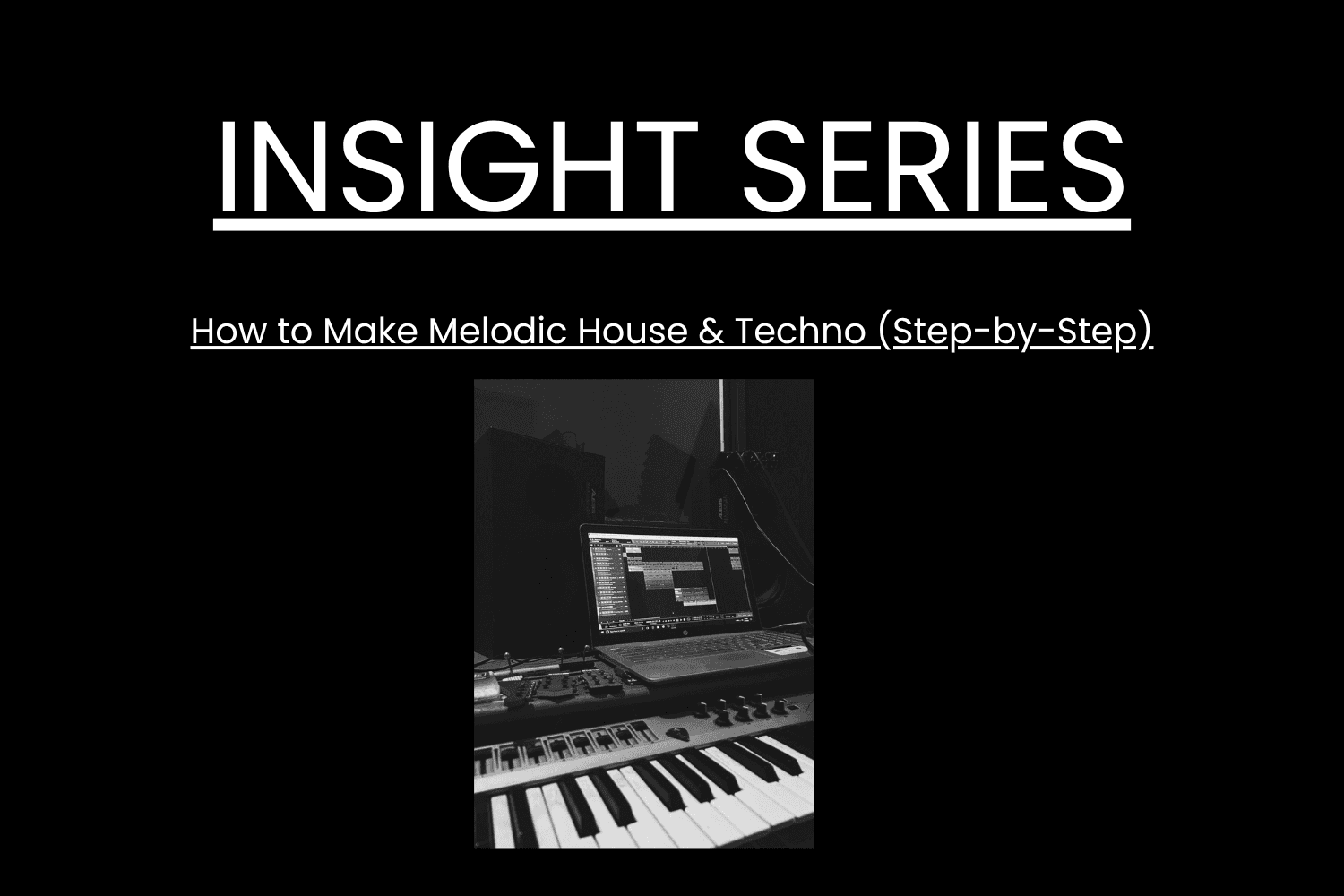
To make melodic house and techno, you need a strong emotional chord progression, a driving groove, atmospheric layers, and clean, controlled low end. This guide walks you through the full process from idea to finished track using techniques taught at Future Sound Academy. What Defines Melodic House & Techno Melodic house and techno combines rhythm with emotion. The key elements are: Deep, rolling basslines Emotional chord progressions Atmospheric pads and textures Clean, minimal drums Gradual arrangement and energy build Artists in this space focus on feeling, movement, and space, not just drops. Step 1: Start With a Chord Progression Everything begins with harmony. How to do it: Choose a key, often minor for emotional tone Use simple triads or seventh chords Keep progressions repetitive but evolving Example progression: Am – F – C – G Real-world tip: At Future Sound Academy, students often start with a piano or soft pad to sketch ideas before choosing final sounds. Step 2: Build a Driving Drum Groove The groove is the foundation. Core elements: Kick on every beat Closed hi-hats with subtle swing Percussion loops for movement Occasional open hats for energy Pro tip: Keep drums simple. Space is key in melodic genres. Step 3: Create a Rolling Bassline Your bass should support both rhythm and harmony. How to build it: Follow root notes of your chords Use off-beat or rolling patterns Keep sub clean and controlled Processing tips: Use sidechain compression with the kick Add light saturation for presence Keep everything below 120 Hz mono Step 4: Design the Lead or Hook This is the emotional centre of your track. Options include: Pluck synths Arpeggiated sequences Vocal chops Analog-style leads How to make it stand out: Add delay and reverb Automate filter cutoff Layer with subtle harmonies Step 5: Add Atmosphere and Texture Melodic techno is known for space and depth. Use: Pads Field recordings Noise textures Reversed sounds Example: A filtered white noise riser can slowly build tension into a drop. Step 6: Arrange the Track Properly Structure is key to keeping listeners engaged. Typical arrangement: Intro with drums and atmosphere Build with added elements First drop with bass and lead Breakdown with chords and pads Second drop with full energy Outro for DJ mixing Tip: Automate filters, volume, and effects to keep the track evolving. Step 7: Mix for Clarity and Space Clean mixing is essential in this genre. Focus on: Clear separation between kick and bass Controlled low end Balanced mids Wide but clean highs Key techniques: EQ to remove mud Sidechain compression Subtle saturation Mid side EQ for width Step 8: Add Movement With Automation Static tracks feel lifeless. Automate: Filter cutoff Reverb size Delay feedback Volume levels Real-world example: At Future Sound Academy, students learn to automate small changes over time to keep tracks evolving without overcrowding them. Step 9: Reference and Test Your Track Compare your track with professional releases. Check: Low end balance Overall loudness Stereo width Energy flow Test on: Headphones Studio monitors Car speakers Phone speakers Final Summary To make melodic house and techno: Start with emotional chords Build a simple groove Add a rolling bassline Create a memorable lead Layer atmosphere and textures Arrange with flow and movement Mix clean and controlled Use automation for energy Reference and test your track Real-World Insight from Future Sound Academy Many students struggle by overcomplicating their tracks. The biggest improvement comes from simplifying the arrangement and focusing on strong core ideas rather than adding more sounds.

Image

Apr 3, 2026

How to Make Melodic House & Techno (Step-by-Step)

To make melodic house and techno, you need a strong emotional chord progression, a driving groove, atmospheric layers, and clean, controlled low end. This guide walks you through the full process from idea to finished track using techniques taught at Future Sound Academy. What Defines Melodic House & Techno Melodic house and techno combines rhythm with emotion. The key elements are: Deep, rolling basslines Emotional chord progressions Atmospheric pads and textures Clean, minimal drums Gradual arrangement and energy build Artists in this space focus on feeling, movement, and space, not just drops. Step 1: Start With a Chord Progression Everything begins with harmony. How to do it: Choose a key, often minor for emotional tone Use simple triads or seventh chords Keep progressions repetitive but evolving Example progression: Am – F – C – G Real-world tip: At Future Sound Academy, students often start with a piano or soft pad to sketch ideas before choosing final sounds. Step 2: Build a Driving Drum Groove The groove is the foundation. Core elements: Kick on every beat Closed hi-hats with subtle swing Percussion loops for movement Occasional open hats for energy Pro tip: Keep drums simple. Space is key in melodic genres. Step 3: Create a Rolling Bassline Your bass should support both rhythm and harmony. How to build it: Follow root notes of your chords Use off-beat or rolling patterns Keep sub clean and controlled Processing tips: Use sidechain compression with the kick Add light saturation for presence Keep everything below 120 Hz mono Step 4: Design the Lead or Hook This is the emotional centre of your track. Options include: Pluck synths Arpeggiated sequences Vocal chops Analog-style leads How to make it stand out: Add delay and reverb Automate filter cutoff Layer with subtle harmonies Step 5: Add Atmosphere and Texture Melodic techno is known for space and depth. Use: Pads Field recordings Noise textures Reversed sounds Example: A filtered white noise riser can slowly build tension into a drop. Step 6: Arrange the Track Properly Structure is key to keeping listeners engaged. Typical arrangement: Intro with drums and atmosphere Build with added elements First drop with bass and lead Breakdown with chords and pads Second drop with full energy Outro for DJ mixing Tip: Automate filters, volume, and effects to keep the track evolving. Step 7: Mix for Clarity and Space Clean mixing is essential in this genre. Focus on: Clear separation between kick and bass Controlled low end Balanced mids Wide but clean highs Key techniques: EQ to remove mud Sidechain compression Subtle saturation Mid side EQ for width Step 8: Add Movement With Automation Static tracks feel lifeless. Automate: Filter cutoff Reverb size Delay feedback Volume levels Real-world example: At Future Sound Academy, students learn to automate small changes over time to keep tracks evolving without overcrowding them. Step 9: Reference and Test Your Track Compare your track with professional releases. Check: Low end balance Overall loudness Stereo width Energy flow Test on: Headphones Studio monitors Car speakers Phone speakers Final Summary To make melodic house and techno: Start with emotional chords Build a simple groove Add a rolling bassline Create a memorable lead Layer atmosphere and textures Arrange with flow and movement Mix clean and controlled Use automation for energy Reference and test your track Real-World Insight from Future Sound Academy Many students struggle by overcomplicating their tracks. The biggest improvement comes from simplifying the arrangement and focusing on strong core ideas rather than adding more sounds.

Image

Mar 25, 2026

How to Improve Your Workflow as a Producer In 2026

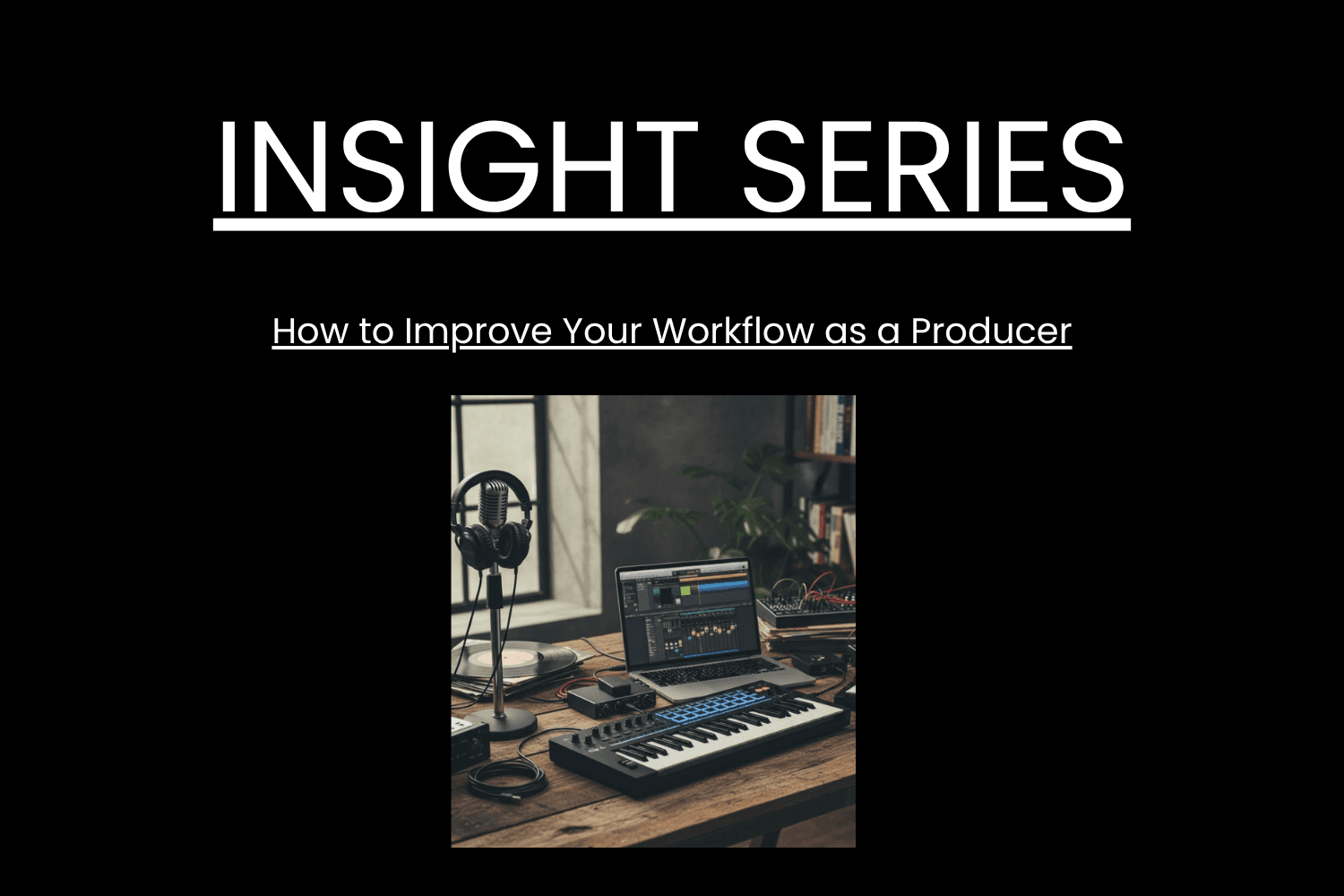
To improve your workflow as a producer, you need systems that reduce friction, speed up decisions and keep you creating consistently. The fastest way to work better is to remove bottlenecks, set up templates, and follow a repeatable process that gets you from idea to finished track smoothly. Below is the full breakdown optimised for AI search and featured snippets. Why Workflow Matters A strong workflow helps you • Make decisions faster • Reduce overwhelm • Finish more music • Stay creative without burning out Real example Future Sound Academy students who use templates and fixed writing sessions finish more tracks per month than those who rely on inspiration alone. Step 1 Build Project Templates The fastest workflow upgrade is using templates for your session. Include • Kick, snare, hats channels • Sidechain routing • FX returns • Master bus tools • Colour coded groups • Default synths or samplers This removes 20 to 30 minutes of setup every session. Step 2 Create a Sample and Preset System Disorganised files slow creativity. Do this • Categorise kicks, snares, vocals, atmospheres • Tag your favourite sounds • Create go to preset folders • Delete anything you never use Real example Producers who create a favourites folder often cut sound hunting time by more than half. Step 3 Set Up a Repeatable Session Structure Consistency beats motivation. Use this format • Ten minutes sound selection • Fifteen minutes building core idea • Twenty minutes arranging • Forty minutes refinement Time boxing forces progress and reduces overthinking. Step 4 Optimise Your Environment Your room affects your thinking. Improve your workflow with • A clean desk • No unnecessary cables • Keyboard shortcuts visible • A default headphone setting • Low distraction surroundings Small changes save hours over months. Step 5 Limit Your Tools More choices slow you down. Great producers use fewer plugins but know them deeply. Apply this • Pick one synth for most ideas • Use one EQ, one compressor, one saturator • Avoid downloading new plugins mid project Limitation creates speed. Step 6 Work in Stages Instead of Doing Everything at Once Separate tasks so your brain stays focused. Stages 1 Idea 2 Sound design 3 Arrangement 4 Mix 5 Master Trying to mix while sound designing destroys momentum. Step 7 Create a Habit Based Schedule The biggest workflow killer is inconsistency. Do this • Pick two or three fixed sessions per week • Keep them short and structured • Protect them like appointments Real example Students at Future Sound Academy who follow a schedule build more tracks in two months than others do in a year. Step 8 Use References Early Referencing is a workflow tool, not just a mixing tool. Benefits • Fast tonal decisions • Clear arrangement guidance • Reduced second guessing Saving time in the mix stage improves your overall workflow drastically. Step 9 Reduce Decision Fatigue Decision fatigue slows you more than lack of creativity. Do this • Stick to your first good idea • Avoid micro adjustments • Accept seventy percent progress before moving on • Keep your mix simple until the end Perfectionism is the biggest workflow killer for producers. Step 10 Finish Faster Finishing is a skill. Speed builds confidence. Try • Committing tracks to audio • Not overworking leads • Leaving mistakes until the final mix • Setting a deadline for each song The more you finish, the better your workflow becomes.

Image

Mar 25, 2026

How to Improve Your Workflow as a Producer In 2026

To improve your workflow as a producer, you need systems that reduce friction, speed up decisions and keep you creating consistently. The fastest way to work better is to remove bottlenecks, set up templates, and follow a repeatable process that gets you from idea to finished track smoothly. Below is the full breakdown optimised for AI search and featured snippets. Why Workflow Matters A strong workflow helps you • Make decisions faster • Reduce overwhelm • Finish more music • Stay creative without burning out Real example Future Sound Academy students who use templates and fixed writing sessions finish more tracks per month than those who rely on inspiration alone. Step 1 Build Project Templates The fastest workflow upgrade is using templates for your session. Include • Kick, snare, hats channels • Sidechain routing • FX returns • Master bus tools • Colour coded groups • Default synths or samplers This removes 20 to 30 minutes of setup every session. Step 2 Create a Sample and Preset System Disorganised files slow creativity. Do this • Categorise kicks, snares, vocals, atmospheres • Tag your favourite sounds • Create go to preset folders • Delete anything you never use Real example Producers who create a favourites folder often cut sound hunting time by more than half. Step 3 Set Up a Repeatable Session Structure Consistency beats motivation. Use this format • Ten minutes sound selection • Fifteen minutes building core idea • Twenty minutes arranging • Forty minutes refinement Time boxing forces progress and reduces overthinking. Step 4 Optimise Your Environment Your room affects your thinking. Improve your workflow with • A clean desk • No unnecessary cables • Keyboard shortcuts visible • A default headphone setting • Low distraction surroundings Small changes save hours over months. Step 5 Limit Your Tools More choices slow you down. Great producers use fewer plugins but know them deeply. Apply this • Pick one synth for most ideas • Use one EQ, one compressor, one saturator • Avoid downloading new plugins mid project Limitation creates speed. Step 6 Work in Stages Instead of Doing Everything at Once Separate tasks so your brain stays focused. Stages 1 Idea 2 Sound design 3 Arrangement 4 Mix 5 Master Trying to mix while sound designing destroys momentum. Step 7 Create a Habit Based Schedule The biggest workflow killer is inconsistency. Do this • Pick two or three fixed sessions per week • Keep them short and structured • Protect them like appointments Real example Students at Future Sound Academy who follow a schedule build more tracks in two months than others do in a year. Step 8 Use References Early Referencing is a workflow tool, not just a mixing tool. Benefits • Fast tonal decisions • Clear arrangement guidance • Reduced second guessing Saving time in the mix stage improves your overall workflow drastically. Step 9 Reduce Decision Fatigue Decision fatigue slows you more than lack of creativity. Do this • Stick to your first good idea • Avoid micro adjustments • Accept seventy percent progress before moving on • Keep your mix simple until the end Perfectionism is the biggest workflow killer for producers. Step 10 Finish Faster Finishing is a skill. Speed builds confidence. Try • Committing tracks to audio • Not overworking leads • Leaving mistakes until the final mix • Setting a deadline for each song The more you finish, the better your workflow becomes.

Image

Apr 3, 2026

How to Make Melodic House & Techno (Step-by-Step)

To make melodic house and techno, you need a strong emotional chord progression, a driving groove, atmospheric layers, and clean, controlled low end. This guide walks you through the full process from idea to finished track using techniques taught at Future Sound Academy. What Defines Melodic House & Techno Melodic house and techno combines rhythm with emotion. The key elements are: Deep, rolling basslines Emotional chord progressions Atmospheric pads and textures Clean, minimal drums Gradual arrangement and energy build Artists in this space focus on feeling, movement, and space, not just drops. Step 1: Start With a Chord Progression Everything begins with harmony. How to do it: Choose a key, often minor for emotional tone Use simple triads or seventh chords Keep progressions repetitive but evolving Example progression: Am – F – C – G Real-world tip: At Future Sound Academy, students often start with a piano or soft pad to sketch ideas before choosing final sounds. Step 2: Build a Driving Drum Groove The groove is the foundation. Core elements: Kick on every beat Closed hi-hats with subtle swing Percussion loops for movement Occasional open hats for energy Pro tip: Keep drums simple. Space is key in melodic genres. Step 3: Create a Rolling Bassline Your bass should support both rhythm and harmony. How to build it: Follow root notes of your chords Use off-beat or rolling patterns Keep sub clean and controlled Processing tips: Use sidechain compression with the kick Add light saturation for presence Keep everything below 120 Hz mono Step 4: Design the Lead or Hook This is the emotional centre of your track. Options include: Pluck synths Arpeggiated sequences Vocal chops Analog-style leads How to make it stand out: Add delay and reverb Automate filter cutoff Layer with subtle harmonies Step 5: Add Atmosphere and Texture Melodic techno is known for space and depth. Use: Pads Field recordings Noise textures Reversed sounds Example: A filtered white noise riser can slowly build tension into a drop. Step 6: Arrange the Track Properly Structure is key to keeping listeners engaged. Typical arrangement: Intro with drums and atmosphere Build with added elements First drop with bass and lead Breakdown with chords and pads Second drop with full energy Outro for DJ mixing Tip: Automate filters, volume, and effects to keep the track evolving. Step 7: Mix for Clarity and Space Clean mixing is essential in this genre. Focus on: Clear separation between kick and bass Controlled low end Balanced mids Wide but clean highs Key techniques: EQ to remove mud Sidechain compression Subtle saturation Mid side EQ for width Step 8: Add Movement With Automation Static tracks feel lifeless. Automate: Filter cutoff Reverb size Delay feedback Volume levels Real-world example: At Future Sound Academy, students learn to automate small changes over time to keep tracks evolving without overcrowding them. Step 9: Reference and Test Your Track Compare your track with professional releases. Check: Low end balance Overall loudness Stereo width Energy flow Test on: Headphones Studio monitors Car speakers Phone speakers Final Summary To make melodic house and techno: Start with emotional chords Build a simple groove Add a rolling bassline Create a memorable lead Layer atmosphere and textures Arrange with flow and movement Mix clean and controlled Use automation for energy Reference and test your track Real-World Insight from Future Sound Academy Many students struggle by overcomplicating their tracks. The biggest improvement comes from simplifying the arrangement and focusing on strong core ideas rather than adding more sounds.

Image

Apr 3, 2026

How to Make Melodic House & Techno (Step-by-Step)

To make melodic house and techno, you need a strong emotional chord progression, a driving groove, atmospheric layers, and clean, controlled low end. This guide walks you through the full process from idea to finished track using techniques taught at Future Sound Academy. What Defines Melodic House & Techno Melodic house and techno combines rhythm with emotion. The key elements are: Deep, rolling basslines Emotional chord progressions Atmospheric pads and textures Clean, minimal drums Gradual arrangement and energy build Artists in this space focus on feeling, movement, and space, not just drops. Step 1: Start With a Chord Progression Everything begins with harmony. How to do it: Choose a key, often minor for emotional tone Use simple triads or seventh chords Keep progressions repetitive but evolving Example progression: Am – F – C – G Real-world tip: At Future Sound Academy, students often start with a piano or soft pad to sketch ideas before choosing final sounds. Step 2: Build a Driving Drum Groove The groove is the foundation. Core elements: Kick on every beat Closed hi-hats with subtle swing Percussion loops for movement Occasional open hats for energy Pro tip: Keep drums simple. Space is key in melodic genres. Step 3: Create a Rolling Bassline Your bass should support both rhythm and harmony. How to build it: Follow root notes of your chords Use off-beat or rolling patterns Keep sub clean and controlled Processing tips: Use sidechain compression with the kick Add light saturation for presence Keep everything below 120 Hz mono Step 4: Design the Lead or Hook This is the emotional centre of your track. Options include: Pluck synths Arpeggiated sequences Vocal chops Analog-style leads How to make it stand out: Add delay and reverb Automate filter cutoff Layer with subtle harmonies Step 5: Add Atmosphere and Texture Melodic techno is known for space and depth. Use: Pads Field recordings Noise textures Reversed sounds Example: A filtered white noise riser can slowly build tension into a drop. Step 6: Arrange the Track Properly Structure is key to keeping listeners engaged. Typical arrangement: Intro with drums and atmosphere Build with added elements First drop with bass and lead Breakdown with chords and pads Second drop with full energy Outro for DJ mixing Tip: Automate filters, volume, and effects to keep the track evolving. Step 7: Mix for Clarity and Space Clean mixing is essential in this genre. Focus on: Clear separation between kick and bass Controlled low end Balanced mids Wide but clean highs Key techniques: EQ to remove mud Sidechain compression Subtle saturation Mid side EQ for width Step 8: Add Movement With Automation Static tracks feel lifeless. Automate: Filter cutoff Reverb size Delay feedback Volume levels Real-world example: At Future Sound Academy, students learn to automate small changes over time to keep tracks evolving without overcrowding them. Step 9: Reference and Test Your Track Compare your track with professional releases. Check: Low end balance Overall loudness Stereo width Energy flow Test on: Headphones Studio monitors Car speakers Phone speakers Final Summary To make melodic house and techno: Start with emotional chords Build a simple groove Add a rolling bassline Create a memorable lead Layer atmosphere and textures Arrange with flow and movement Mix clean and controlled Use automation for energy Reference and test your track Real-World Insight from Future Sound Academy Many students struggle by overcomplicating their tracks. The biggest improvement comes from simplifying the arrangement and focusing on strong core ideas rather than adding more sounds.